
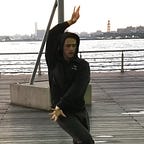

I come from an inherited, living, traveling and dancing tradition that I have amended for the 21st century. My world is in motion. From that vantage point, I can tell when a writer’s got the stuff to get us moving—and when they leave us trapped.
When we write about liberating ourselves or others from the systems that control us, I often see people get lost. And when they’re lost, most people stop moving. Then the impulse to get out, get in, get free, get down and get up become
s something quite different. Dance becomes waiting. Wayfinding becomes adjusting. Expression turns into defensiveness. Conversations become fights. We mistake control for comfort.
I don’t claim to have the answers to what liberation should mean for settled people—a people who experience the world first through names, categories and borders. I am also aware that colonialism loves to dress up and pretend to be Romani, to be a traveler with culture and values, and this has made settled people wary. What I’m saying here is that if you mistake your boundaries for liberation, and start thinking that control is freedom, movement becomes much more difficult. And all the more urgent.
The challenge of supporting the freedom of movement itself worsens when we consider that most of our presumptions of freedom were built upon assumptions of society that have been or were already revealed to be a lie. You can’t free yourself from a civilization that was never really civilized in the first place. A society that has no limits upon what it is willing to contain and profit from is not about the movement of souls, it’s about the movement of capital—the power of the few.
You can’t free yourself from a civilization that was never really civilized in the first place.
This has led many activists and academics to conclude that it’s actually the freedom itself that is the problem, and that we need civilizations with accountability and responsibility built-in. From what I can see as I pass on by through history, this is a restoration of choreography that supports community. One of the greatest destiny swaps ever created was calling a system run exclusively on
selfish, unrestricted human greed as anything other than destructive, world-ending barbarity—and then calling responsibility to land, to ancestry, to children, to each other and to the world within ourselves as primitive. Change is needed, and this is motion.
But I’m a traveling person, and so I remain suspicious of any framework that might eventually need you to stop moving in order to work. If we’re talking about liberation, movement must remain the condition for it, not the result. We’re not looking to wait. Thinking, reclaiming, changing and the telling of our times all require a dance, a message in a bottle: your body. The condition for your liberation must be, somehow somewhere, movement itself.
Next time when someone is telling you something about your freedom, check your body. Were you moved?

